

Anytime I read about breathing, I suddenly feel like I can’t breathe. It”s almost like a slight disruption or I have forgotten how to breathe the moment I start paying attention to it. It’s the strangest thing, but I know I’m not alone.
Sometimes life gets heavy. We get frustrated, anxious, even angry. And while those feelings are real, they aren’t always good for our bodies or our peace.
But what if we learned to simply… breathe?
Inhale.
Exhale.
The right way.
How different would our response be if we paused long enough to let our breath settle us before our emotions speak for us?
Let’s breathe, slow, deep, intentional, and give our minds and bodies a chance to reset.
Last week on Be Well Wednesday, we explored how anger disrupts our health. Today, we’re looking at how effective breathing supports emotional regulation, especially anger.
Breathing is essential to life, but how we breathe can determine how quickly we calm down and how well we maintain control in high‑stress moments.
Before we go any further, let’s anchor ourselves in the Word:
“And the Lord God formed man of the dust of the ground, and breathed into his nostrils the breath of life; and man became a living soul.” — Genesis 2:7
From the very beginning, breath has been sacred. It is God-given. It is life-giving. And it is one of the most powerful tools we have to return to peace. Each day we breathe, we are using God’s breath. Of late, I take the time to thank God for loaning me His breath to breathe another day and to help me to make the best use of it, and you should too.
In his book Conquer Worry & Anxiety: The Secret to Mastering Your Mind, Daniel G. Amen, MD, outlines several benefits of learning to direct and control our breathing as effective breathing can:
- Calm the amygdala (our emotional alarm system)
- Counteract the fight‑or‑flight response
- Relax tense muscles
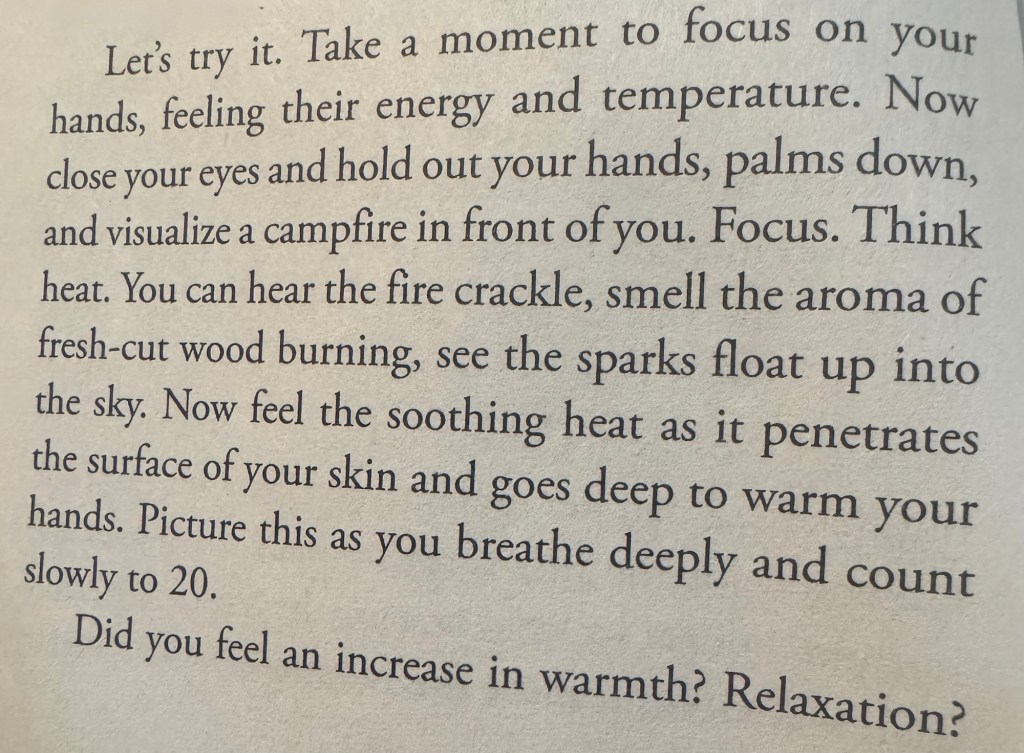
- Warm the hands
- Regulate heart rhythms
To become “expert breathers,” we must learn to breathe slowly, deeply, and from the belly. Babies and puppies do this naturally; adults often forget.

How to Breathe and Stay Calm
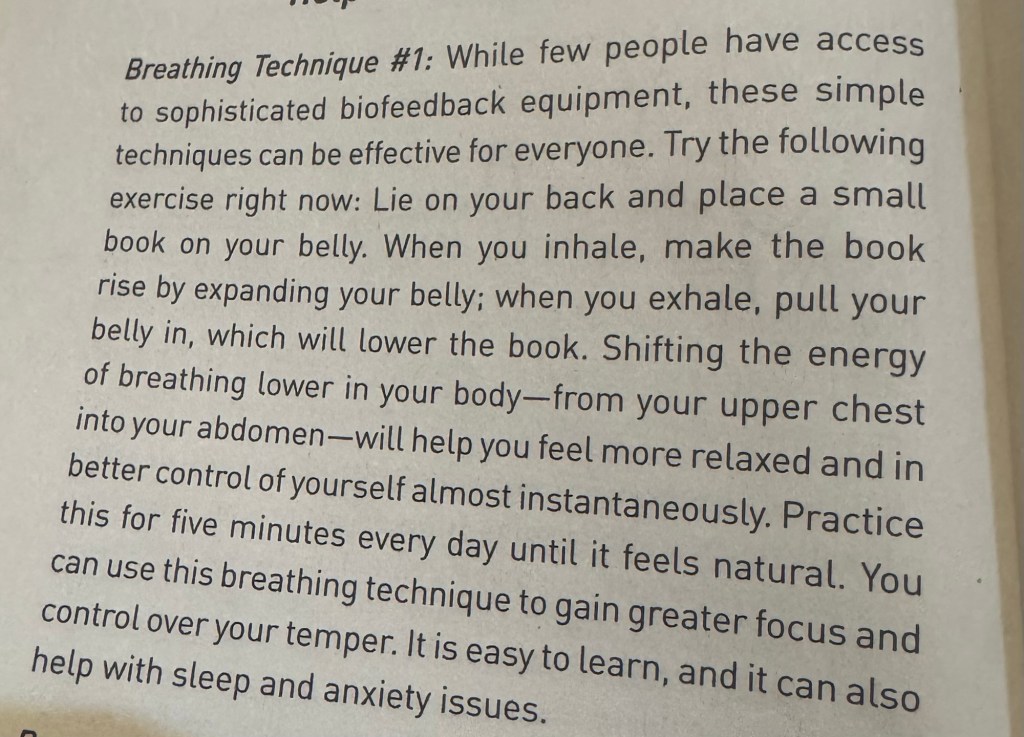
When we inhale and expand our belly, the diaphragm flattens and pulls downward, allowing more air into the lungs. When we exhale and gently pull our belly in, the diaphragm rises and pushes air out more fully.
This simple shift increases oxygen flow, supports the nervous system, and encourages deep, restorative breathing.
Just 20–30 minutes of correct breathing practice can begin to reshape your breathing patterns and give you better control over your feelings and behavior.
Three Techniques to Help You Calm Down
- Prayer or Meditation
Prayer and meditation help calm the mind, improve focus, lift mood, and support better decision‑making. Spending even 5–10 minutes focusing on a scripture, your breath, or a peaceful scene can be a powerful reset. There is something unexplainably calming about meditating on God’s Word and His creation.
- Create a Playlist
Bob Marley said, “One good thing about music, when it hits you, you feel no pain. ”Music can soothe, inspire, and shift your emotional state.
A personal “emotional rescue” playlist becomes a safe space you can return to whenever you need grounding.
- Flood Your Five Senses with Positivity
What we feed our minds is what we draw from in stressful moments. YSo surround your senses with things that uplift you:
- Hear: calming music
- Touch: a gentle embrace or soft texture
- Smell: your favorite scents
- See: images of nature or beauty
- Taste: comforting flavors
These sensory inputs can increase endorphins which is our body’s natural feel‑good chemicals.
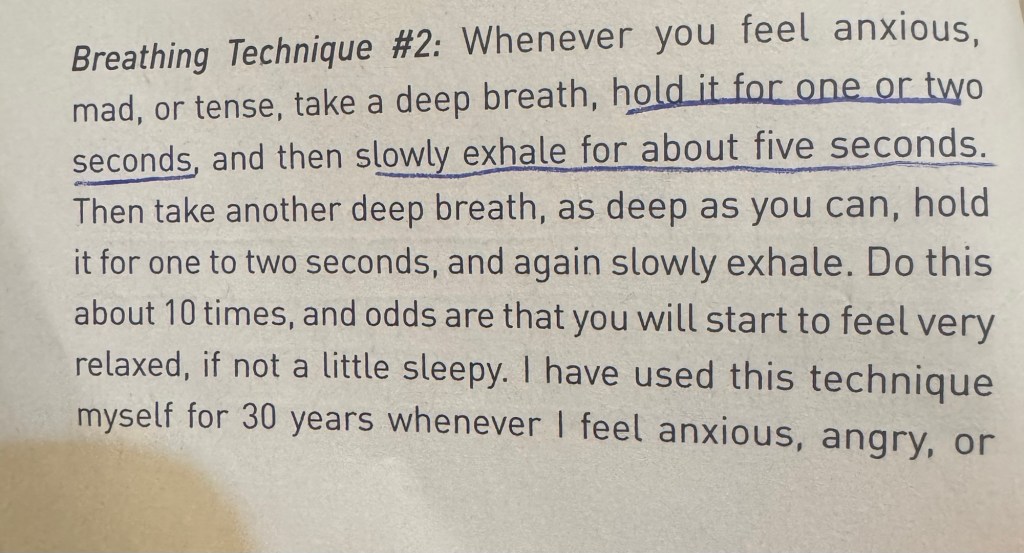
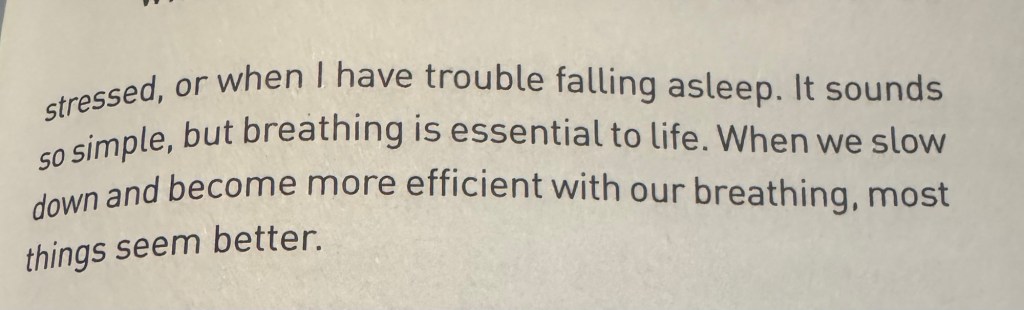
See additional techniques from Dr. Amen’s Book that I copied just to share with you.
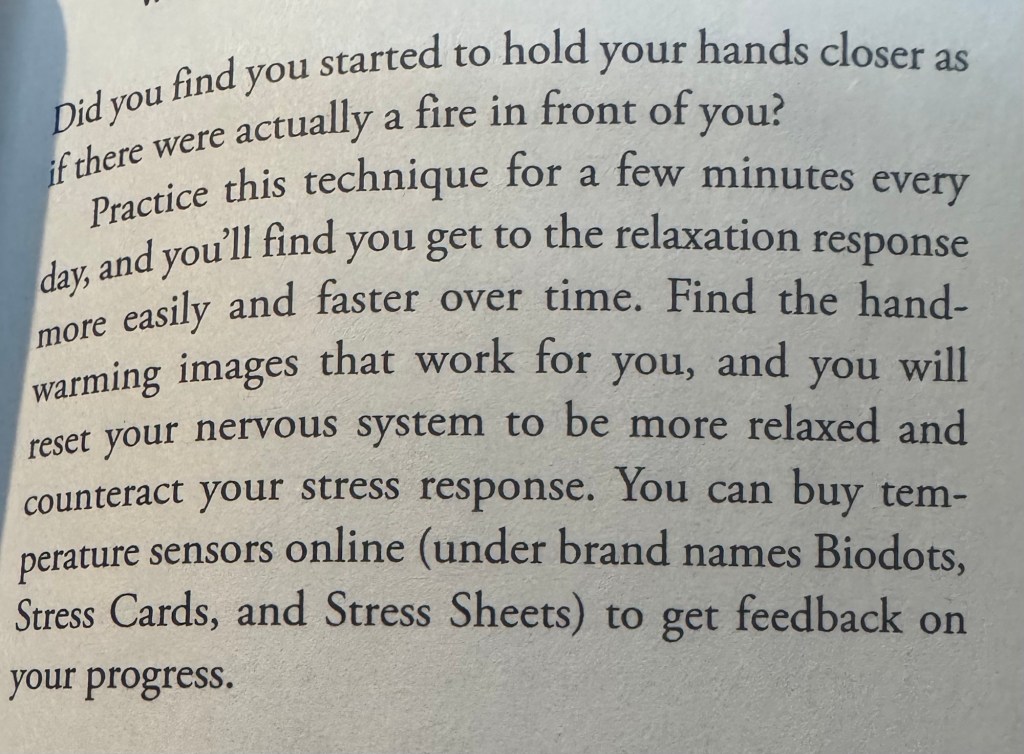
Feel free to share what techniques help you stay calm.
Until next time, be well and be blessed.
With love and purpose,
Tomika Chance
Itz Holistically Wholesome
 Itz Holistically Wholesome
Leave a comment