
A few years ago, I cut out all oils. Then life happened, and slowly they crept back in. Ever since, it has felt like a tug‑of‑war. Are oils bad? Which ones are “better”? Should we use them at all? How much is too much?
Now, there is something about oils that has always made me uneasy. When I think of fried or overly oily foods, my mind goes straight to my arteries… then my heart… then my whole body. And honestly, I get terrified. I’m that person who pats food with a paper towel to remove excess oil. I use the smallest amount possible when cooking.
Yes, there are rare moments when I indulge, like my French‑fried cauliflower Chick’N (maybe once or twice a year) and if I am honest, I eat it fretfully. So I do eat foods cooked with oil, but I do it responsibly.
At the end of the day, we all have to get informed and make the best decisions for ourselves and our families. For me, I choose the side of caution. I prefer little to no oil, be it olive, sesame, or avocado. Since I’m not fully sure, I limit my pour…
and yes, I love a good cheezy rhyme.
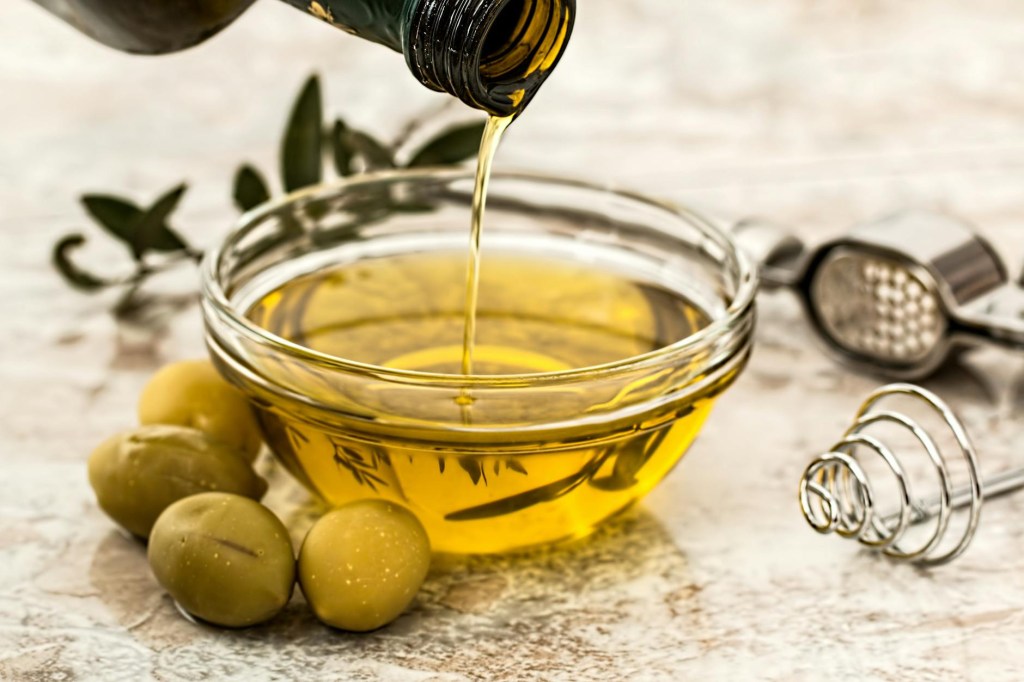
Here’s what I understand about how oils affect the body
- High‑heat cooking creates harmful compounds
When foods are fried or baked at very high temperatures, the heat damages enzymes and nutrients. Cooking starchy foods above 248°F can form acrylamide, a toxic compound linked to cancer development and growth. (acrylamide is a chemical that forms when sugars and starches are exposed to high heat, and long‑term exposure has been associated with increased cancer risk.)
- Excess oil can impair the endothelium
The endothelium is the thin, delicate lining inside your arteries. It controls how your blood vessels dilate and constrict so nutrients and oxygen can move efficiently throughout the body. It also acts like a hormone‑producing organ, regulating cell growth, blood clotting, inflammation, and how easily substances pass in and out of the arteries.
(when the endothelium is healthy, blood flows smoothly. When it’s damaged, arteries stiffen and heart disease risk increases.)
Too much oil, even “healthy” oils, can compromise this lining.
- Oils are stripped of fiber and nutrients
When you extract oil from a whole food, you remove the fiber and most of the nutrients that help your body digest fat properly. Without that natural balance, the fat hits the bloodstream quickly and can interfere with artery and heart function.
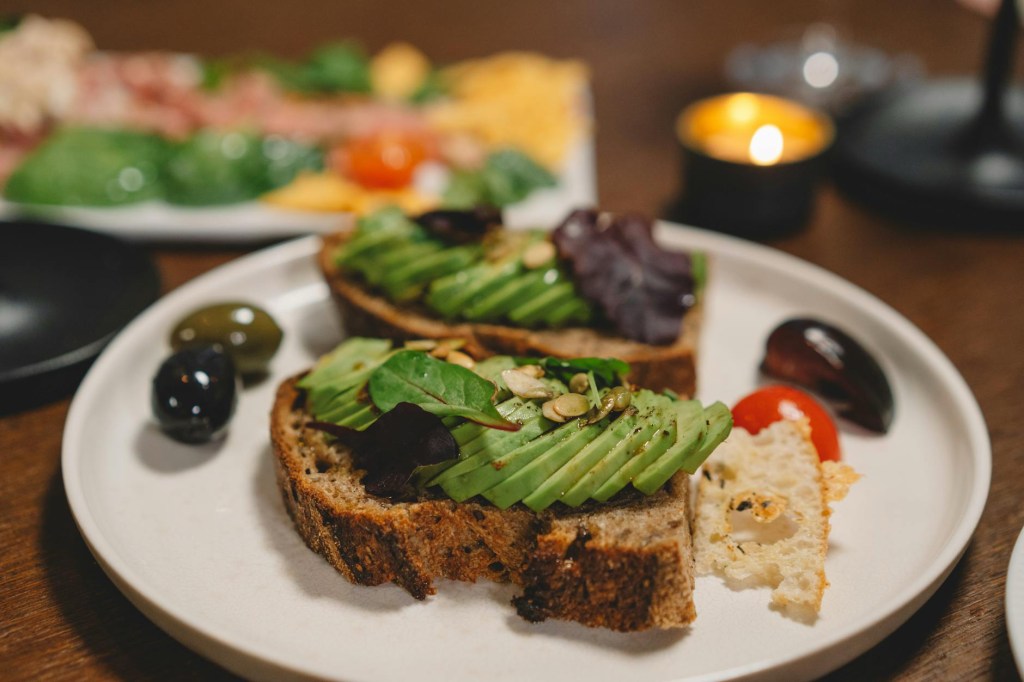
So what can we do instead?
- Avoid or limit processed oils
Not because you’re scared but because you’re informed.
- Eat the whole food instead of the extracted oil
- Olives instead of olive oil
- Grapes instead of grapeseed oil
- Sesame seeds instead of sesame oil
- Avocado instead of avocado oil
- Coconut flesh instead of coconut oil
Whole‑food fats do not show the same negative effects on the endothelium.
- Steam, simmer, or water‑sauté your meals
Add a little water, keep the heat low, and let the food soften gently. This helps to retain most of most of the nutrients while softening the cell wall so nutrients become bioavailable (Bioavailable means: easier for your body to absorb and use the nutrients.)
This method preserves nutrients and keeps your meals vibrant and heart‑friendly.
“I have set before you life and death, blessings and curses. Now choose life…” (Deuteronomy 30:19)
The truth is…
Our fried‑food, oil‑heavy culture is slowly robbing us of our health and longevity. We see it in rising cancer rates and lifestyle‑related diseases. But we don’t have to accept that as our story.
We can choose differently.
We can eat for health first.
We can stay informed and take practical steps that honor our bodies.
Be well and be blessed.
With love and purpose,
Tomika Chance
Itz Holistically Wholesome
 Itz Holistically Wholesome
Leave a comment