
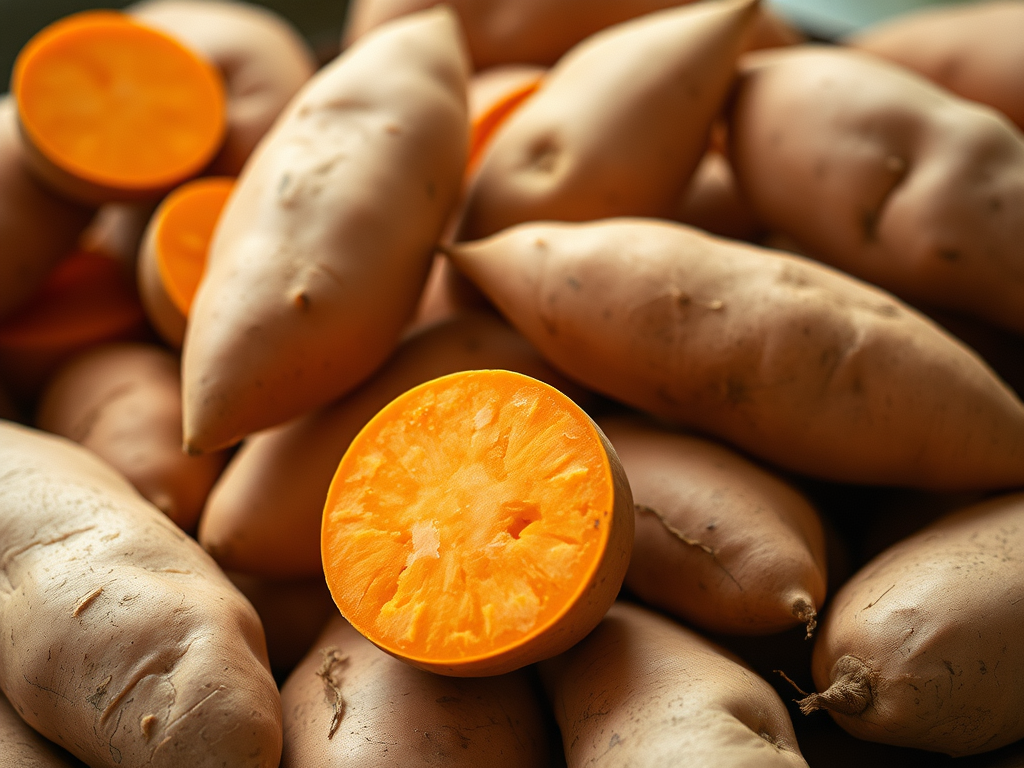
I’ve always had a soft spot for sweet potatoes. Growing up in Jamaica, the sweet potatoes I enjoyed were firm, sweet, and simply irresistible. From hearty peas soup to delectable potato pudding, and whether baked or boiled, they were a staple of my diet. However, it wasn’t until recently that I discovered another delightful aspect of this humble tuber: its leaves.
The Revelation
My dream of growing sweet potatoes in the United States began about two years ago. I planted my first batch with excitement, watching as the vines sprawled and the leaves turned a vibrant green. Sadly, my timing was off. I planted too late in the season, and the cold eventually claimed my plants. However, the experience sparked a determination in me to try again.
Last year, I dove into research to perfect my sweet potato cultivation. During my search, I stumbled upon a video titled “How to Harvest and Cook Sweet Potato Leaves.” I was intrigued. Growing up, I had only ever thought of sweet potatoes as the tubers, not the greens. This revelation was a game-changer. I learned that not only could I grow sweet potatoes, but their leaves were also edible and nutritious.
A New Adventure
This year, I was ready. I planted my sweet potatoes with renewed confidence and carefully timed their growth. As the season progressed, the vines flourished, and soon my garden bed was a lush, green sea of sweet potato leaves.
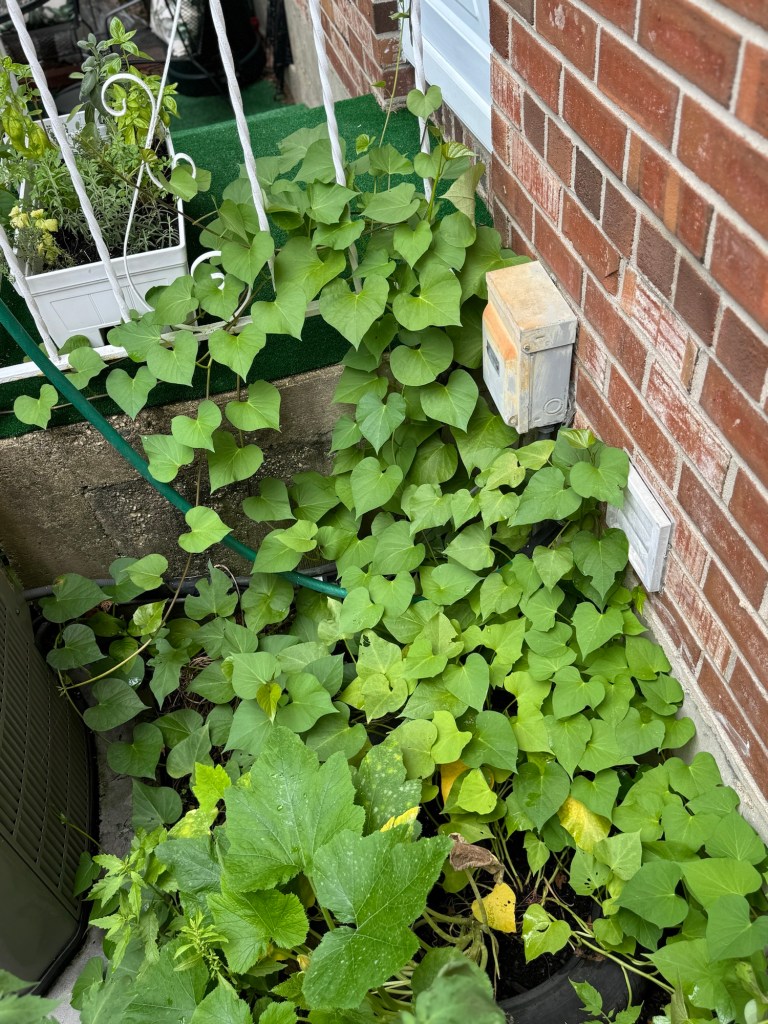
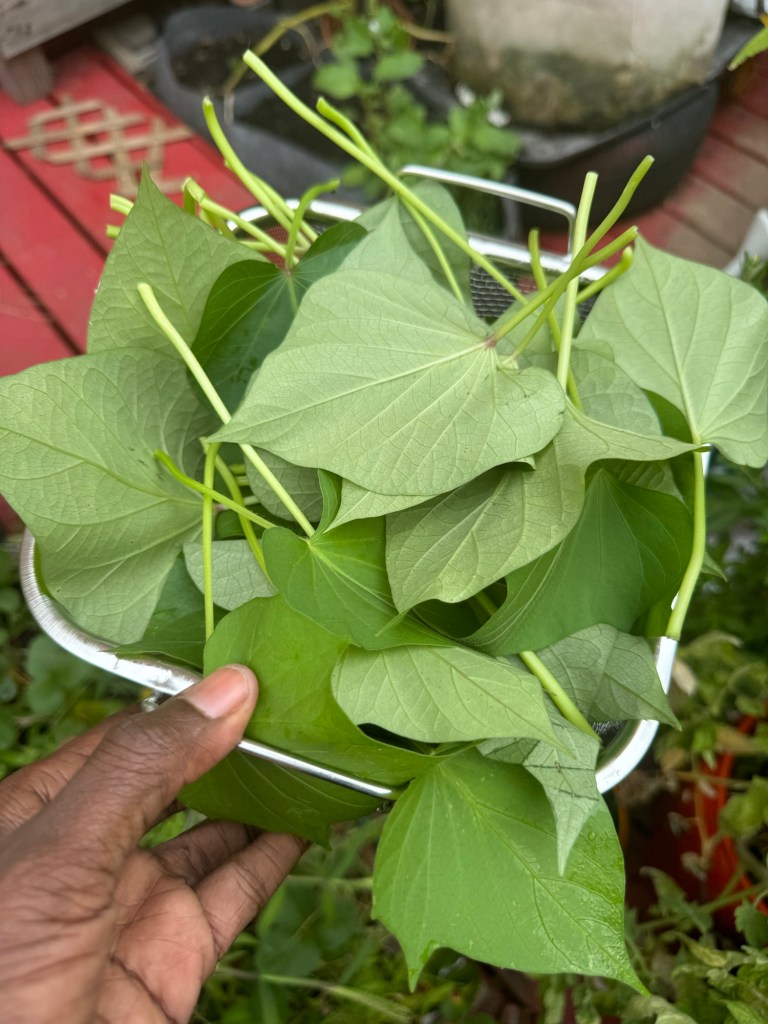
Excited to try something new, I told my husband and son about the edible leaves. They were intrigued and agreed to give it a shot. I even shared this newfound knowledge with my neighbor, inviting him to harvest some leaves as well. We harvested just enough to cook, wary of wasting them if they didn’t turn out as expected.

A Culinary Delight
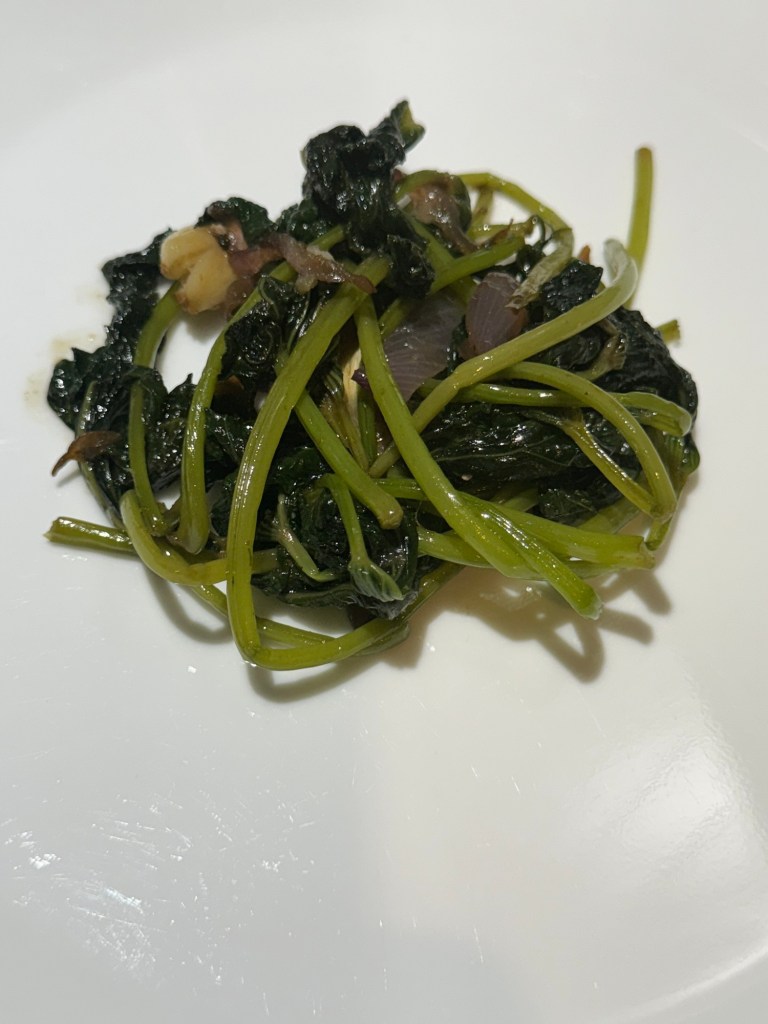
With the leaves in hand, I sautéed them with onions, garlic, a dash of salt, and a hint of soy sauce, being careful not to overcook them. The moment of truth arrived, and I was pleasantly surprised by how delicious they were. The flavor was reminiscent of steamed spinach, and even our little one loved it. My son was so impressed he asked for seconds, but alas, there were no leftovers.
The Benefits of Sweet Potato Leaves
Beyond their delightful taste, sweet potato leaves offer a wealth of health benefits:
- Antioxidants: They contain antioxidants that help combat cell damage and boost the immune system.
- Cancer Prevention: With antimutagenic compounds, sweet potato leaves may help reduce the mutation rate in cancer cells. A study even showed they had the highest cancer-checking rate among 82 vegetables and plant compounds tested.
- Skin Health: Rich in vitamin C, amino acids, proteins, and minerals, these leaves may nourish the skin, fade freckles, and promote metabolism.
- Cholesterol Reduction: Regular consumption can help lower total cholesterol, VLDL cholesterol, and triglycerides while maintaining HDL cholesterol levels.
- Blood Cell Increase: Research indicated that sweet potato leaf powder can increase red blood cells and hemoglobin levels.
- Nutrition: Packed with macronutrients like protein, fiber, and carbohydrates, as well as essential micronutrients such as vitamins A, C, K, B1, B2, B3, and B9, and minerals like calcium, iron, and magnesium, these leaves are a nutritional powerhouse.
- Low in Cholesterol and Saturated Fat: They are naturally low in cholesterol and saturated fat, making them a heart-healthy choice.
Sweet potato leaves can be enjoyed in various ways. You can eat them raw, though they have a strong flavor, or sauté them like spinach, add them to stir-fries, or finely chop them for salads.
Conclusion
Discovering that sweet potato leaves are not only edible but delicious has been a wonderful surprise. It’s a reminder of how nature often has hidden treasures waiting to be discovered. My journey from growing sweet potatoes to enjoying their leaves has been both educational and rewarding. If you have the space and the interest, I highly recommend giving sweet potato leaves a try—you might just be as pleasantly surprised as I was!
 Itz Holistically Wholesome
Leave a comment