

Is Fluoride Harmful? Should We Avoid It?
Fluoride’s potential negative effects have been a concern of mine for years, particularly for its impact on brain development in children. When my son was a baby, I had already raised my daughter with fluoride toothpaste and fluoride in drinking water. But once I learned about the potential risks, I wanted to understand the facts to avoid exposing my children to it unnecessarily if it was indeed harmful.
With limited information, I chose to stop using fluoride products. However, when my son developed a cavity at five years old, I wondered if avoiding fluoride toothpaste had caused it. I feed him a healthy diet with minimal candy or junk food and ensure he attends regular dental check-ups and cleanings, so this cavity baffled me. His older sister had never had a cavity, which left me questioning if fluoride played a role.
Since then, I’ve occasionally allowed my son to use fluoride toothpaste, but we primarily rely on natural, fluoride-free alternatives. I’ve also become much more diligent with his oral hygiene, ensuring he brushes and flosses regularly. It’s possible other factors contributed to the cavity, but I ultimately returned to fluoride-free toothpaste and began using natural remedies like coconut oil and baking soda, which seem to work well. Still, I wanted to understand: Is fluoride bad for us?
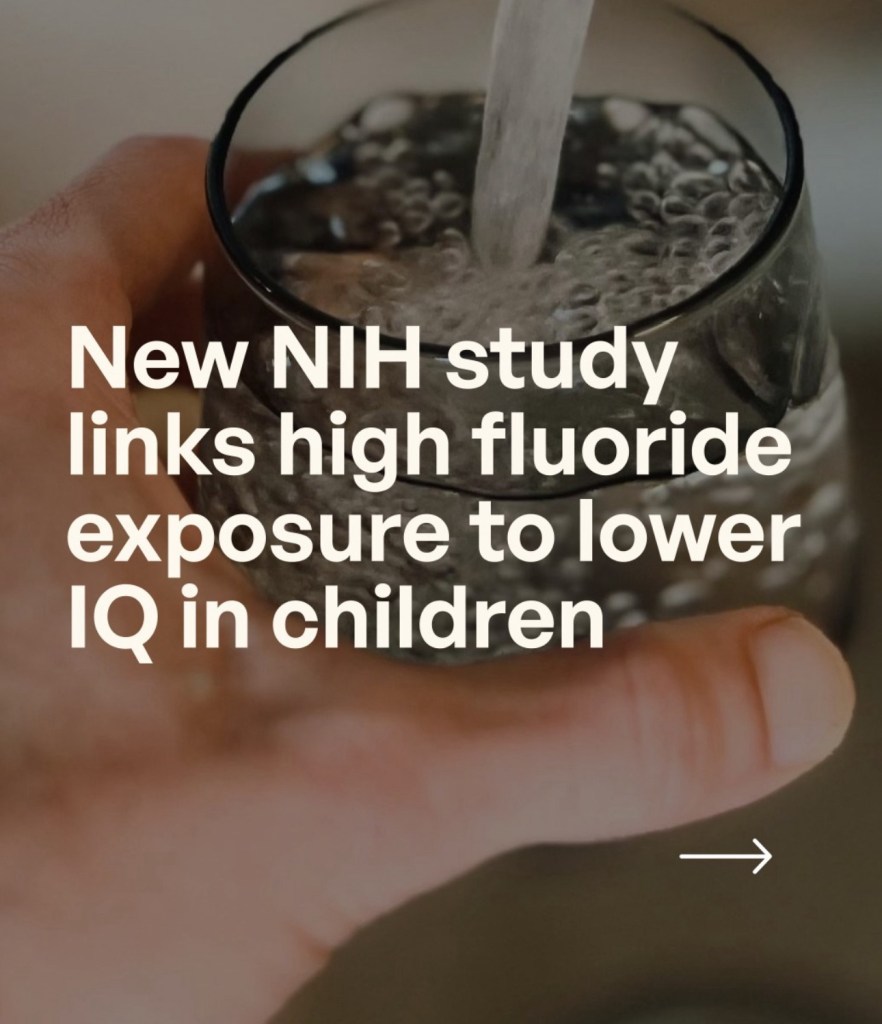
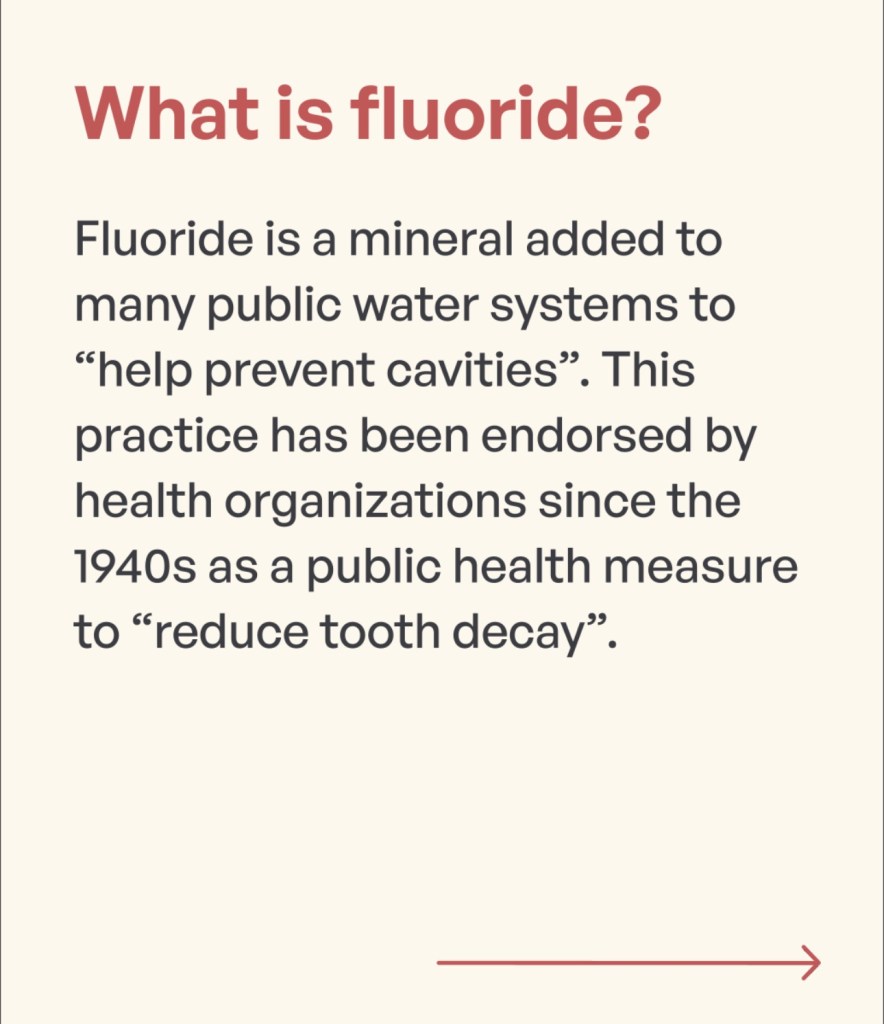
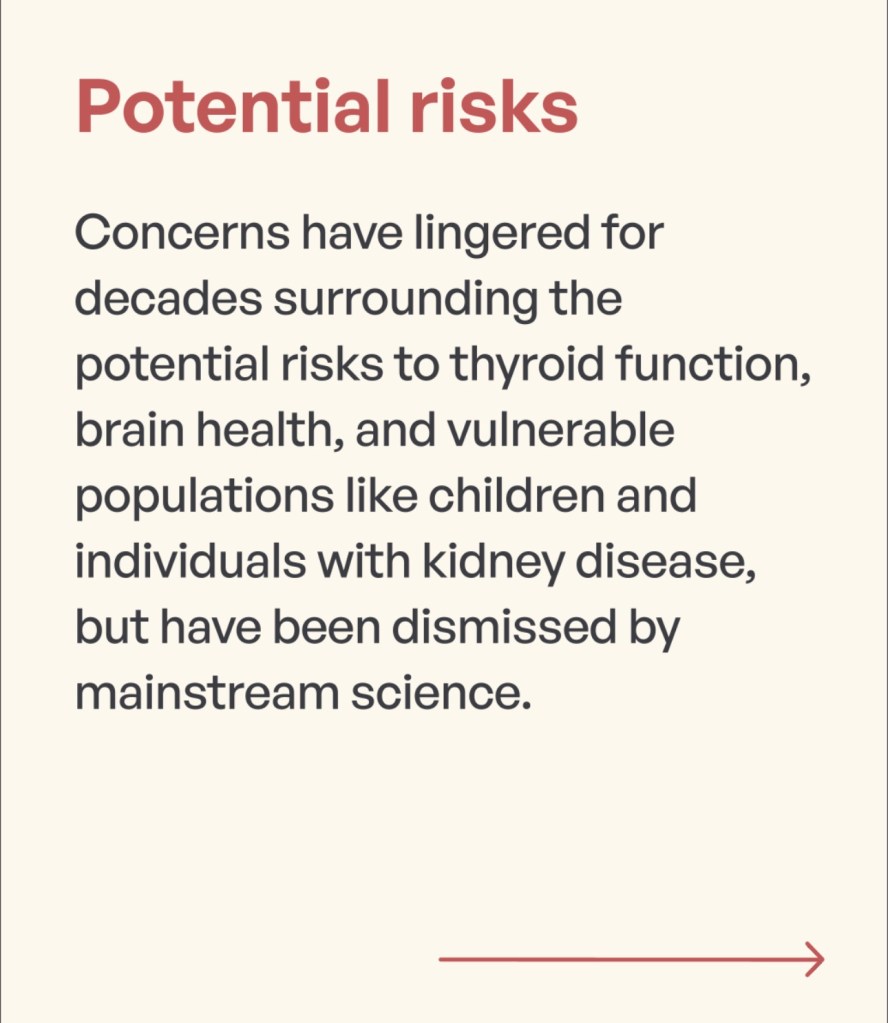
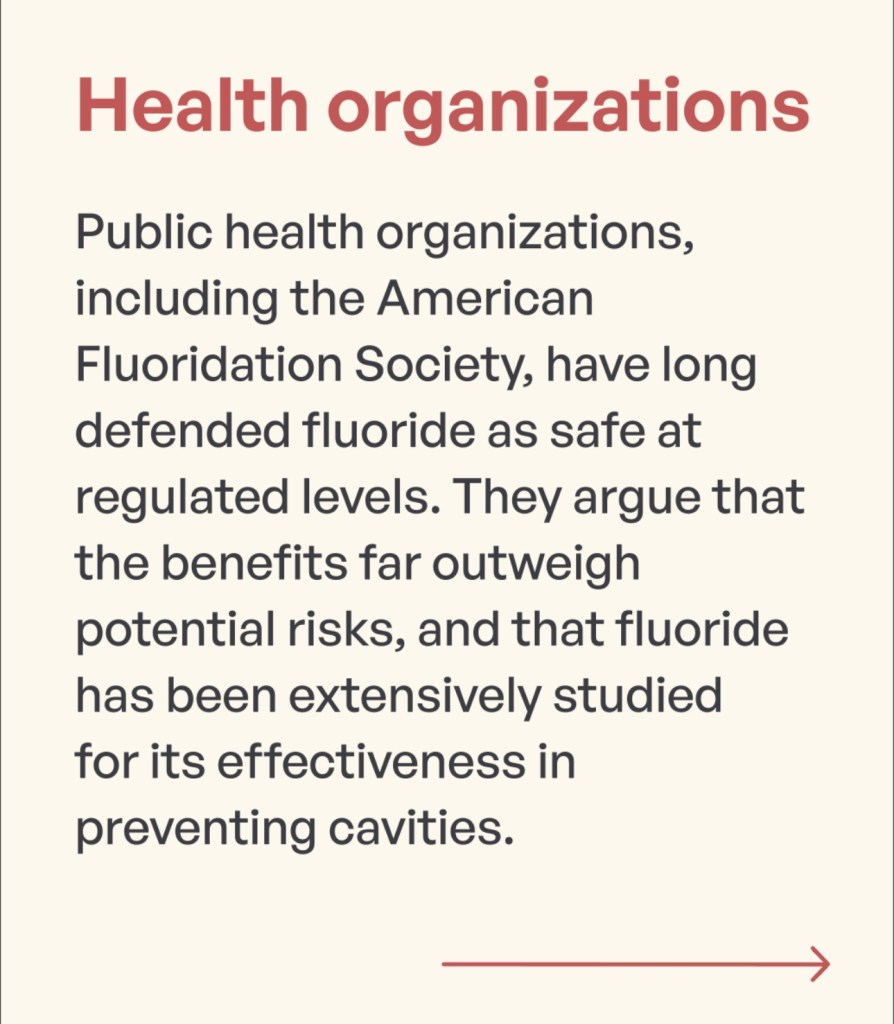
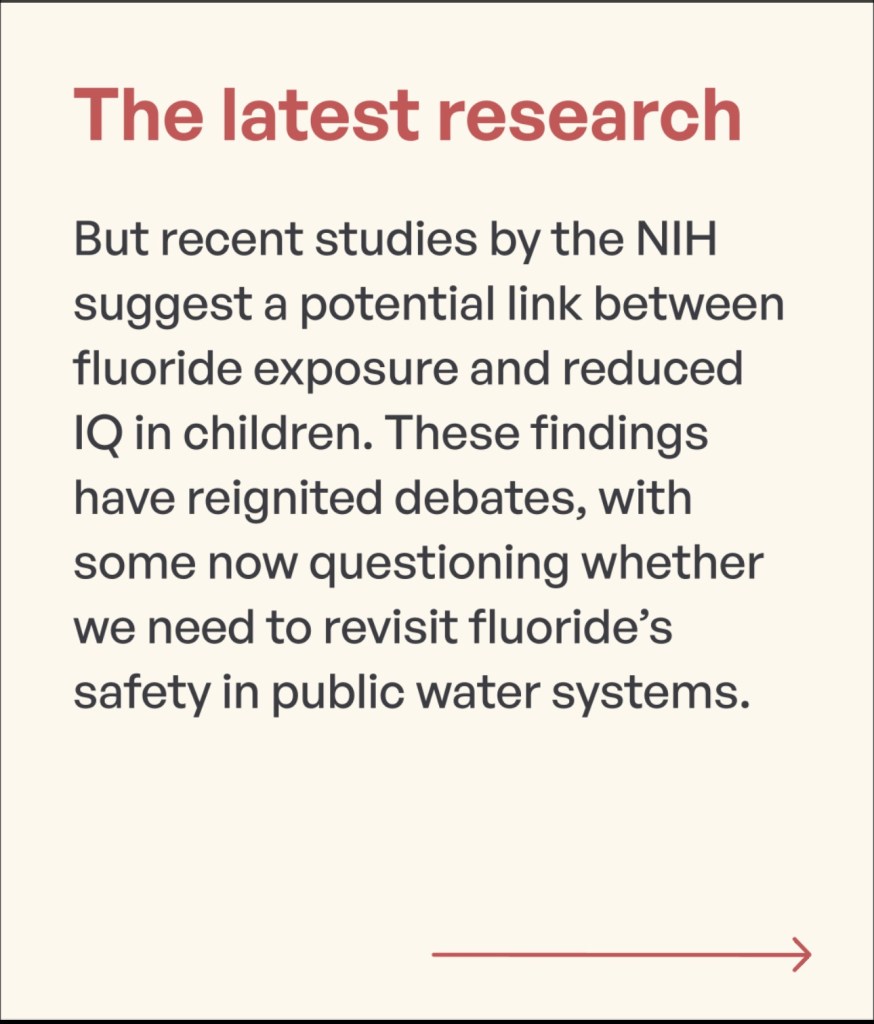
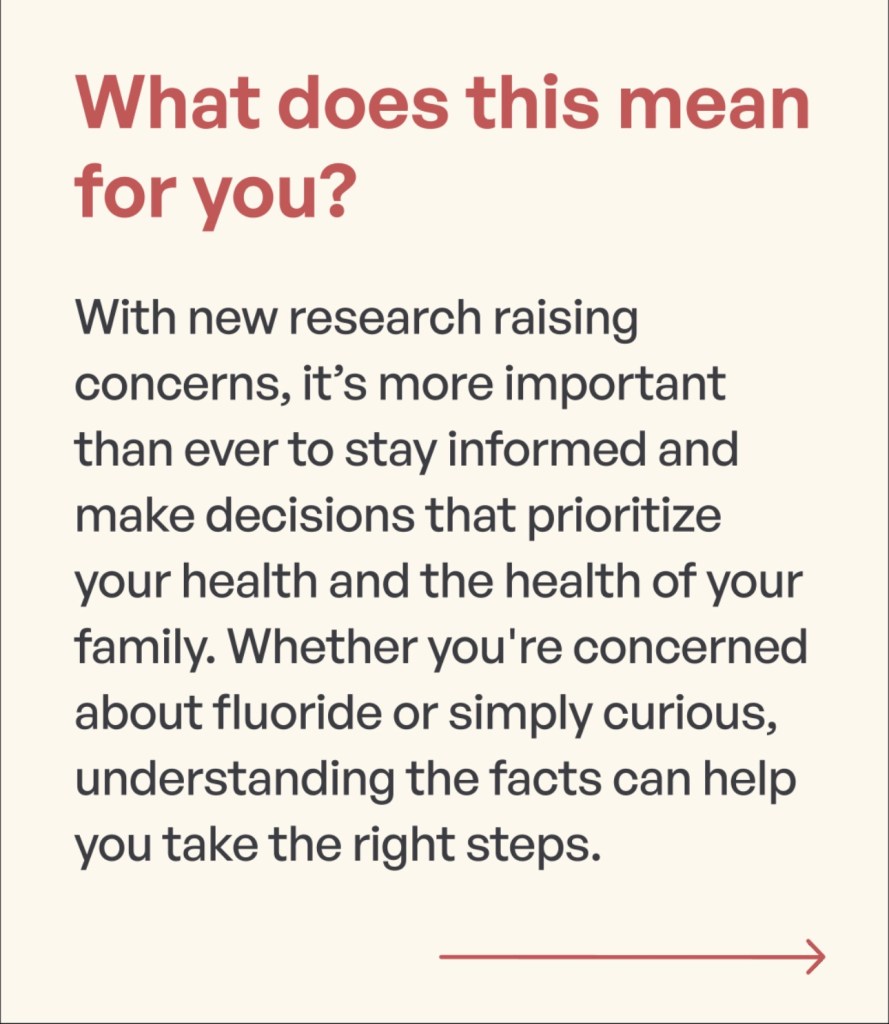
Recently, while browsing LinkedIn, I came across a post by Dr. Mark Hyman, MD, Co-Founder and Chief Medical Officer of Function Health, which addressed fluoride in drinking water. I felt it was a sign because I’d been seeking clarity on this topic. Dr. Hyman shared how he voiced concerns in 2016 about fluoride’s potential risks, especially regarding brain health in vulnerable populations. At that time, his claims were dismissed by organizations like the American Fluoridation Society, which maintained fluoride’s safety. Fast forward to 2024, and new research suggests high fluoride exposure may be linked to lower IQ in children. Dr. Hyman included eight NIH study attachments supporting these findings, further affirming my decision to limit fluoride in our home.
You can read Dr. Hyman’s LinkedIn post here. His post sparked a lively discussion, highlighting just how controversial this topic remains.
For my family, I plan to avoid fluoride whenever possible, while continuing to focus on a balanced diet and diligent oral hygiene for my children. I’ll admit that flossing isn’t second nature to me; I grew up without it being emphasized, so I have to be intentional about making it a routine part of my children’s care.
I hope this post sheds light on the fluoride debate and encourages you to consider your own approach to oral health. Please feel free to share this post and help spread awareness. Also, leave a comment to let us know your thoughts on the topic.
God bless!
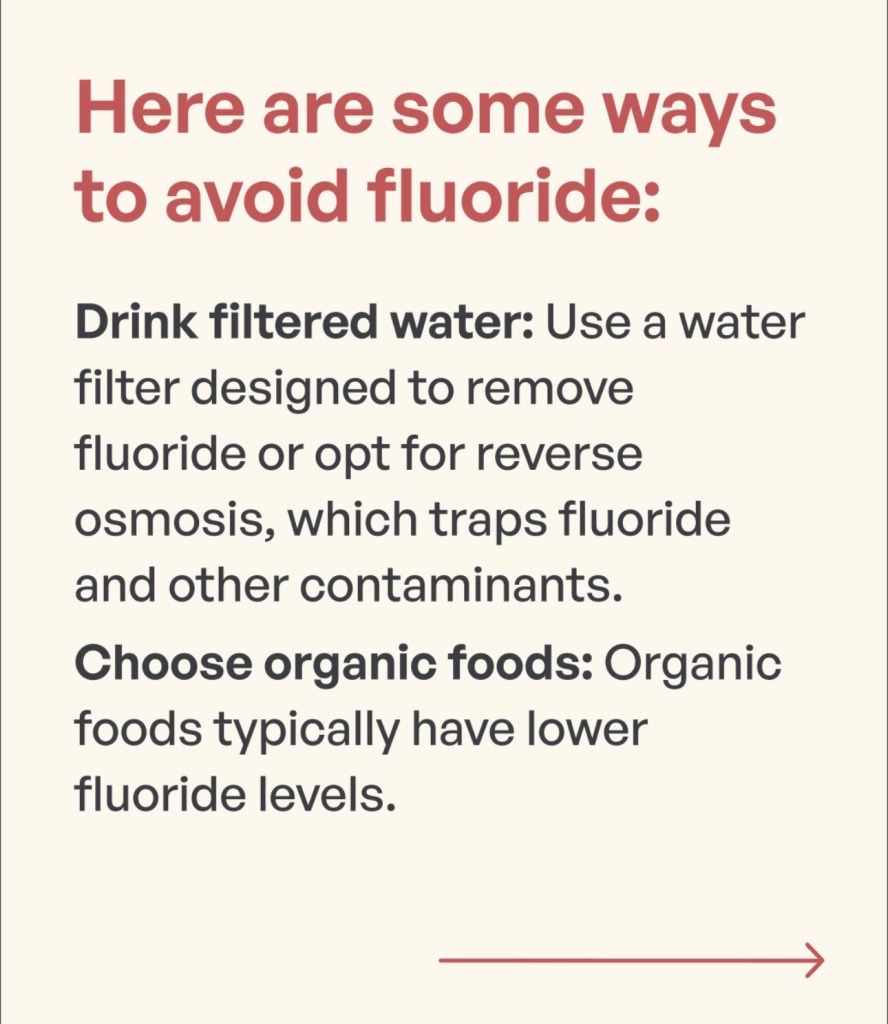
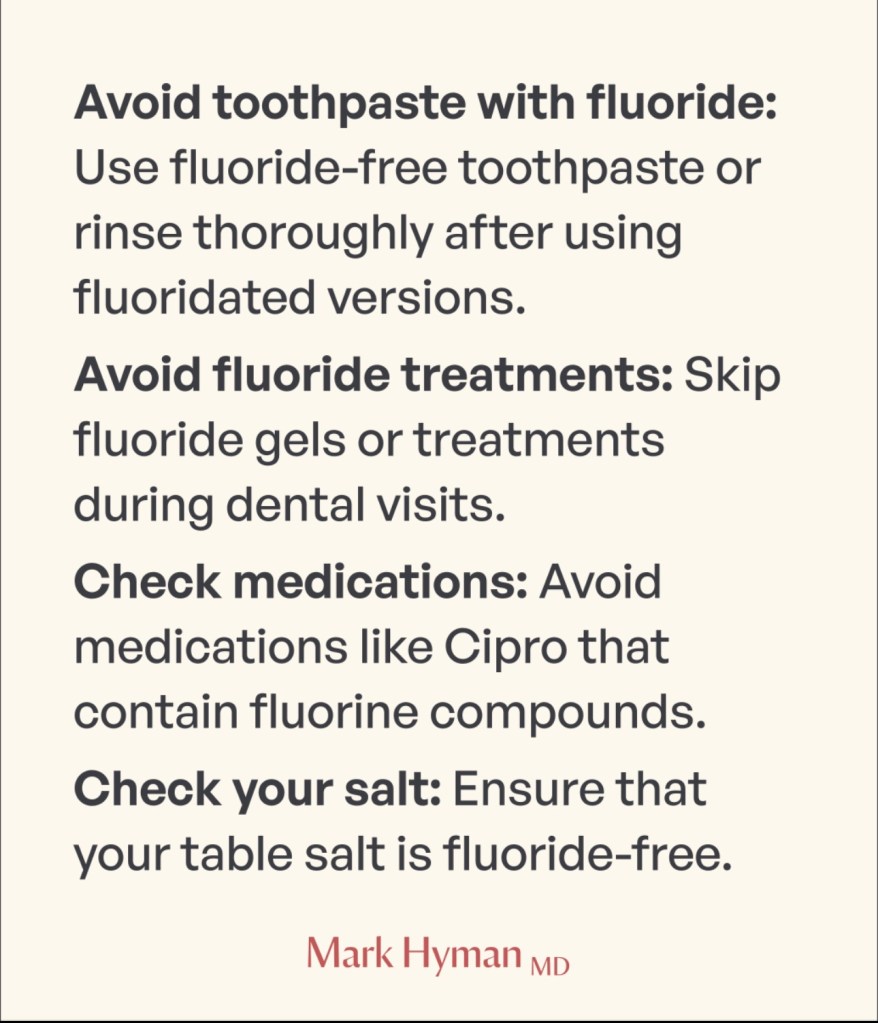
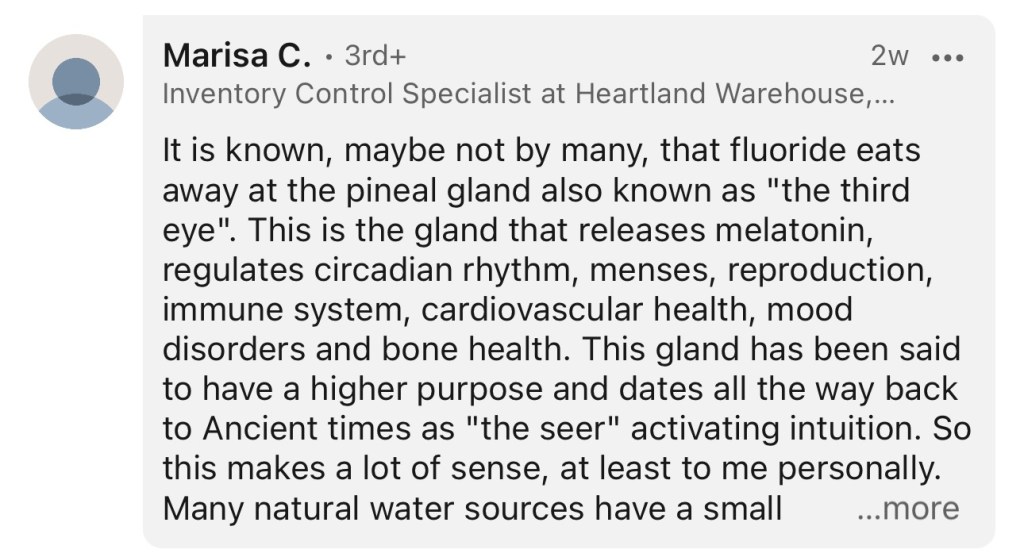
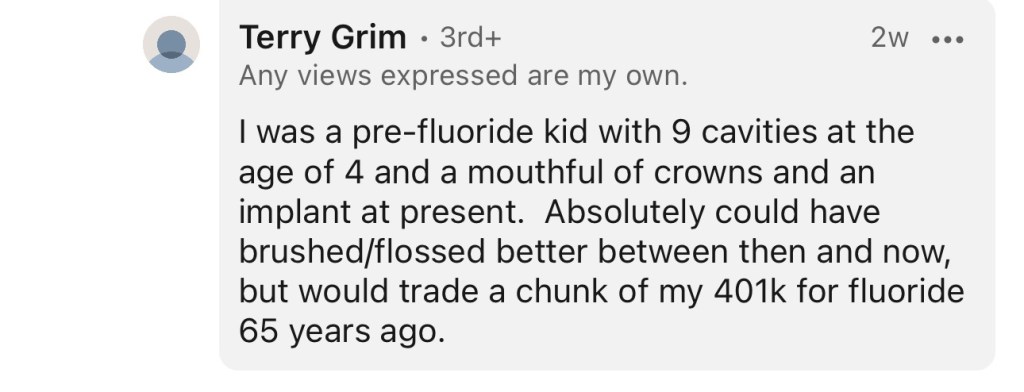
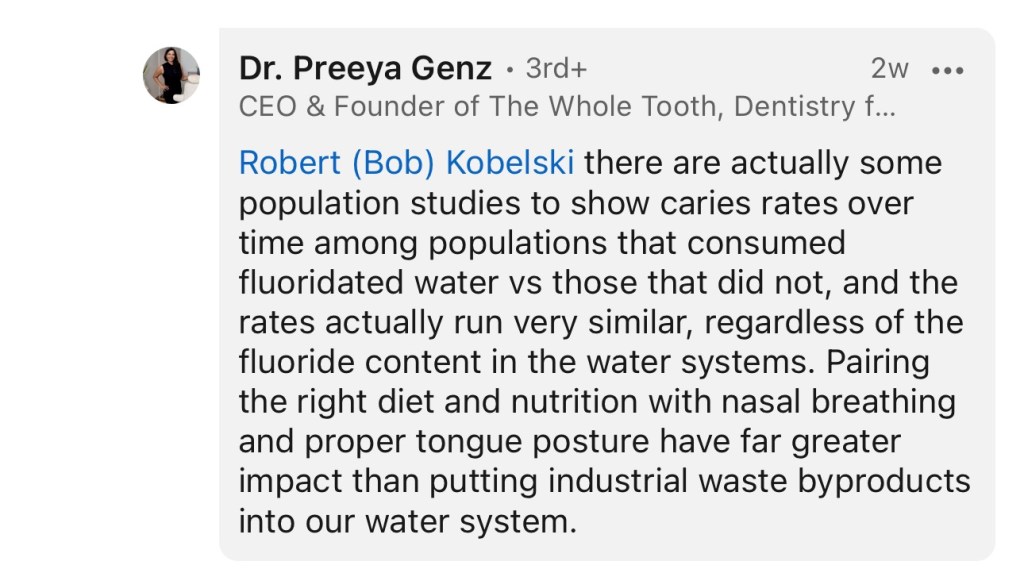
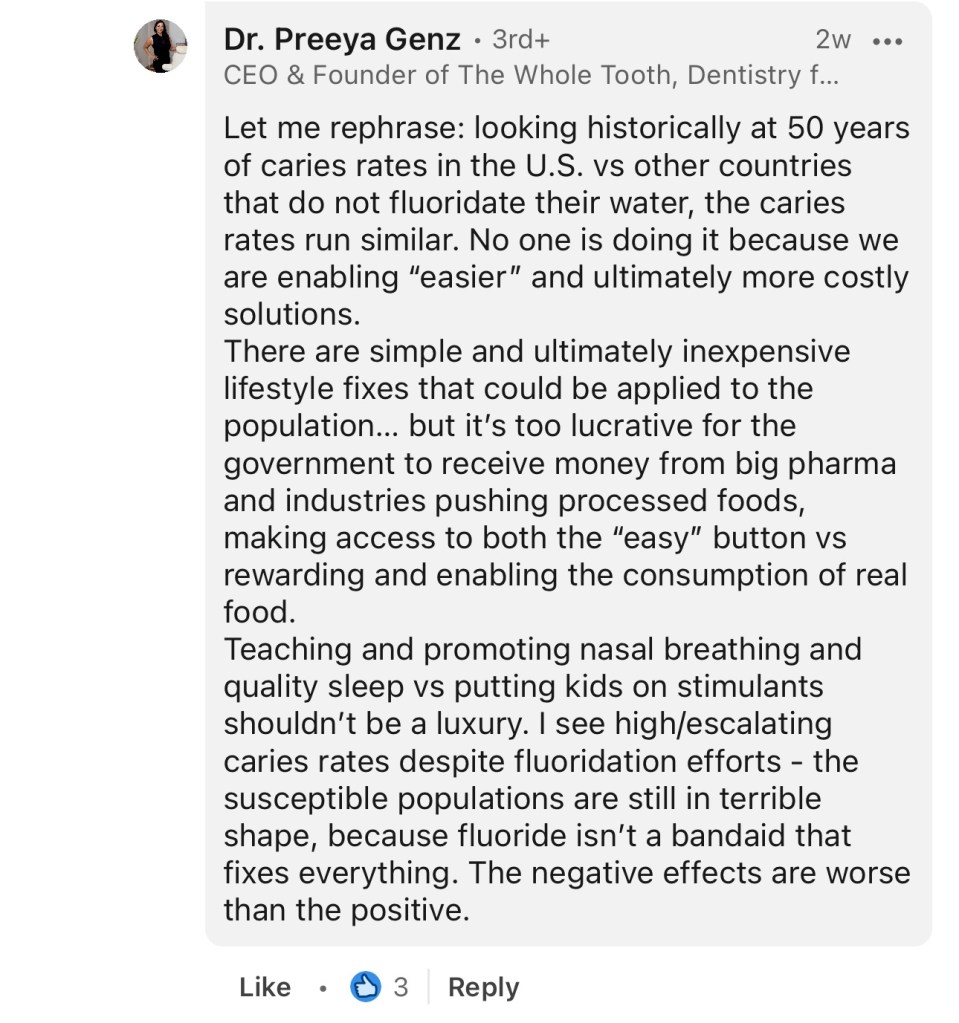
Here are a few screen shots incase you cannot access the link or do not have a linked in account.
Certainly, this post sparked a very interesting discussion, here are some comments



 Itz Holistically Wholesome
Leave a reply to Anonymous Cancel reply